I’ll admit, for me, Gucci had lost its appeal since 2020.
And following floral drop after floral drop, I began to wonder whether one of fashion’s most legendary houses, had lost its je ne sais quoi (unique identity).
This is the fashion house that helped make Kate Moss a household name, with then-creative director Tom Ford making her his muse as he began injecting his Studio 54-laden disco glamour vision and sexiness into the once dwindling brand.
His provocative and seductive designs and marketing meant Gucci was inescapable in the late 90s and early 00s – heavily influencing the heroin chic era (which has made a comeback again), while regaining its illustrious appeal.
Everyone wanted a piece of it – from Madonna to Gwyneth Paltrow, Tom Ford’s Gucci was a celebrity love affair, and those designs keep being pipped from archives by today’s stylists, for clients including Bella Hadid.
For its rich everyday buyers, Gucci customers can expect the finest leathers money can buy, while expert ateliers execute a luxury finish on custom pieces for its famous clientele.
But Gucci, as a vision, hit a stalemate in the mid-2010s – with creative director stints from Alessandro Michelle and Sabato De Sarno plaguing the brand from 2015 to 2025, with their simplistic but sophisticated style sending the iconic brand back into the brink.
It’s not that the pair aren’t capable designers, they both delivered vibrant collections during their tenure.
But there was no inspiration, no vision, no direction from the creatvie directors, who unintentionally isolated its everyday customers from the brand by choosing to place pastels and dizzying prints at the forefront of their marketing strategy.
But the uncontroversial hippy chic style, echoing contemporary 60’s style, left little room for an everyday buyer to invest in.
While it’s ambassadors, from Miley Cyrus, to Billie Eilish, to Harry Styles, walked out to red carpets in designs akin to a cockney grandma’s worn out couch, and the kind thick glasses that spring Dennis Nielsen’s mugshot into mind.
I get the psychadelic references of the swinging sixties, but after one or two collections it became predictable..
Hippy chic is just too safe for a brand like Gucci.
Their best designs (and profit margins) have come from going against the status-quo; creating controversial lanes that others have no choice but to follow.
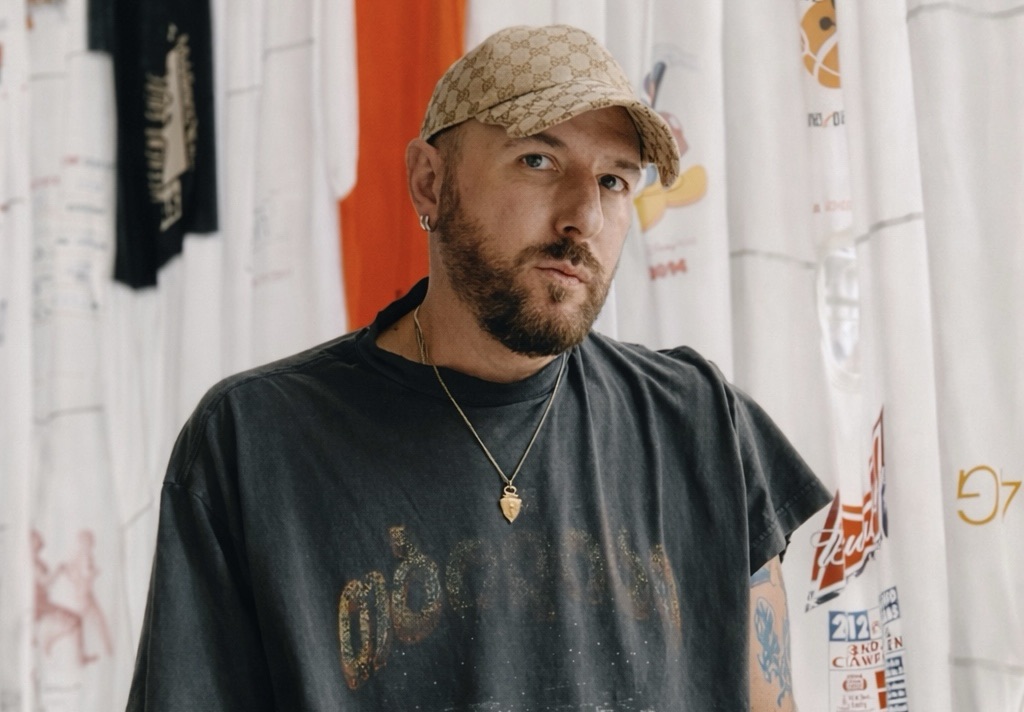
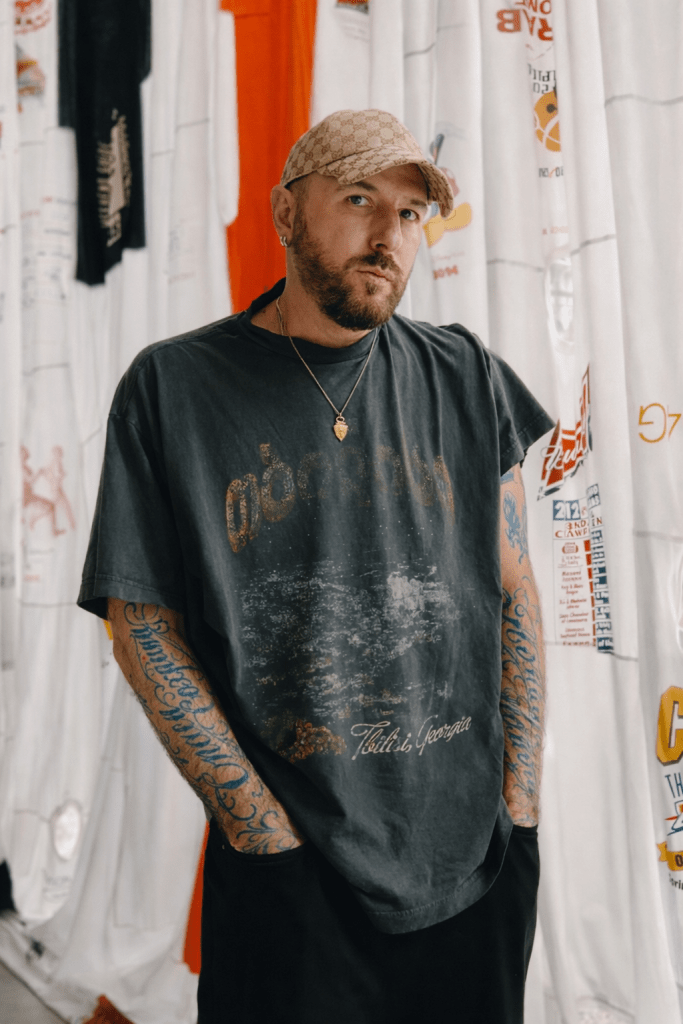
It’s that factor that has me believing in Demna supremacy at the Italian fashion house.
The illustrious Georgian designer might be one of the greatest influences of my own personal style, fusing avant-garde, haute couture design, with accessible streetwear pieces during his time at Balenciaga, and at his own venture, Vetements.
His almost industrial concepts, which would often go viral on social media, were very clearly the byproduct of the fashion seen in underground gay subcultures.
The influence I see stems directly from within the techno rave scenes of inner-city working class areas like east London or Berlin, Germany. Experimental but edgy.
Demna took underground to high fashion, rave to runway, and made Balenciaga an estimated £2Billion during his time doing so (from 2015-2025).
Dare I say, Balenciaga wasn’t even near the five iconic houses of Gucci, Louis Vuitton, Dior, Prada and Versace, before Demna’s tenure.
But his vision, which largely saw Kim Kardashian as his muse, understood times were changing, and adapted to them – with the brands huge success shaking other ailing brands into consciousness.
Every detail, down to the brands logo, was looked at through a microscopic lens, and his innovations forced others to take note.
Balenciaga was the first high fashion brand to drop its own traditional logo for a basic but bold minimalist font.
Burberry, Dior, Prada and Saint Laurent all quickly followed suit, speaking to Balenciaga’s creative power.
The Triple S was a shoe that changed the concept of luxury sneakers – consumers no longer wanted cute kicks, they were ready for edgy stompers.
Louis Vuitton, Valentino, Dolce and Gabbana and Versace all took a punt on their own ugly shoe, but it just didn’t do ugly chic the way Balenciaga did. And they were always a step ahead, obliterating their competitors.
Perhaps the biggest mistake Demna made during the latter years of his time at Balenciaga was allowing the theatrics of his designs and promotions, often fuelled in controversy, to overshadow his work.
The many controversies marring his last years at Balenciaga won’t be his legacy, after all, he completely revived the brand in a way never seen before.
It was a time where fashion misfits got to show off their anti beauty aesthetic, an era where the weird and wonderful were front-and-centre, with the star power of Kim K, one of the most followed people in the world, making Demna’s zany designs inescapable to social media users.
Last year, it was announced he was exiting his role at the French fashion house to take on the creative director role at Gucci.
Many fashion lovers scowled at his move, believing it would downgrade the luxury appeal of the longstanding fashion house.
But what creative directors before him didn’t understand was that a fashion house cannot continue to be longstanding without the investment of the wider public.
Yes, repeat clientele is hugely important for luxury fashion houses, but creating pieces that resonate with audiences wider than a runway guest-list is how fashion houses survive for generations.
The need for mainstream appeal was clear with Tom Ford’s appointment in 1995.
Announcing Demna 30 years after Tom’s arrival signals the brands belief that the two creative directors may pave a similar path for the hot-then-not-then-hot again brand.
Gucci are batting for consumers in the same market as Dior, Prada and Versace – a level of luxury that also offers high end to specific paying customers.
The Chanel’s of the world are high-end luxury from start to finish – period.
So for the average buyer, it makes more sense to save up for a £2,000-3,000 Chanel bag, which may appreciate in value, than spend £800 on a Gucci Dionysus bag that will be £400-500 in resale (as the brand is never steady on demand).
Simply put, nothing Gucci makes for a mainstream audience is an investment buy – rather a temporary enjoyment.
But with Demna, Gucci are headed for better days.
His first collection, La Famiglia, showed echoes of what the brand needs, a mix of traditional luxury staples, including their iconic monogram, fabulous fur and leather pieces, along with some more modern silhouettes and minimalist streetwear designs, appealing to the everyday buyer.
There was lots to be excited about, including the return of the sexy Tom Ford Gucci heel, along with a revert back to the beige monogram Gucci prints that made the brand famous.
We even got a Kate Moss cameo on the runway, talk about sending a clear message to the fashion world.
And since then, we’ve seen Kim rocking vintage Gucci glam at the Oscars, a sign that their lucrative partnership will continue wherever the designer goes.
Dare I say, this new age of Gucci is speaking to my Demnagraphic, and I can picture my wardrobe full of it by the end of the year (especially the monogram mules).
I would advise investing early, as Demna-era Gucci is likely to send the brand stratospheric once more.
 worn out.
Leave a comment